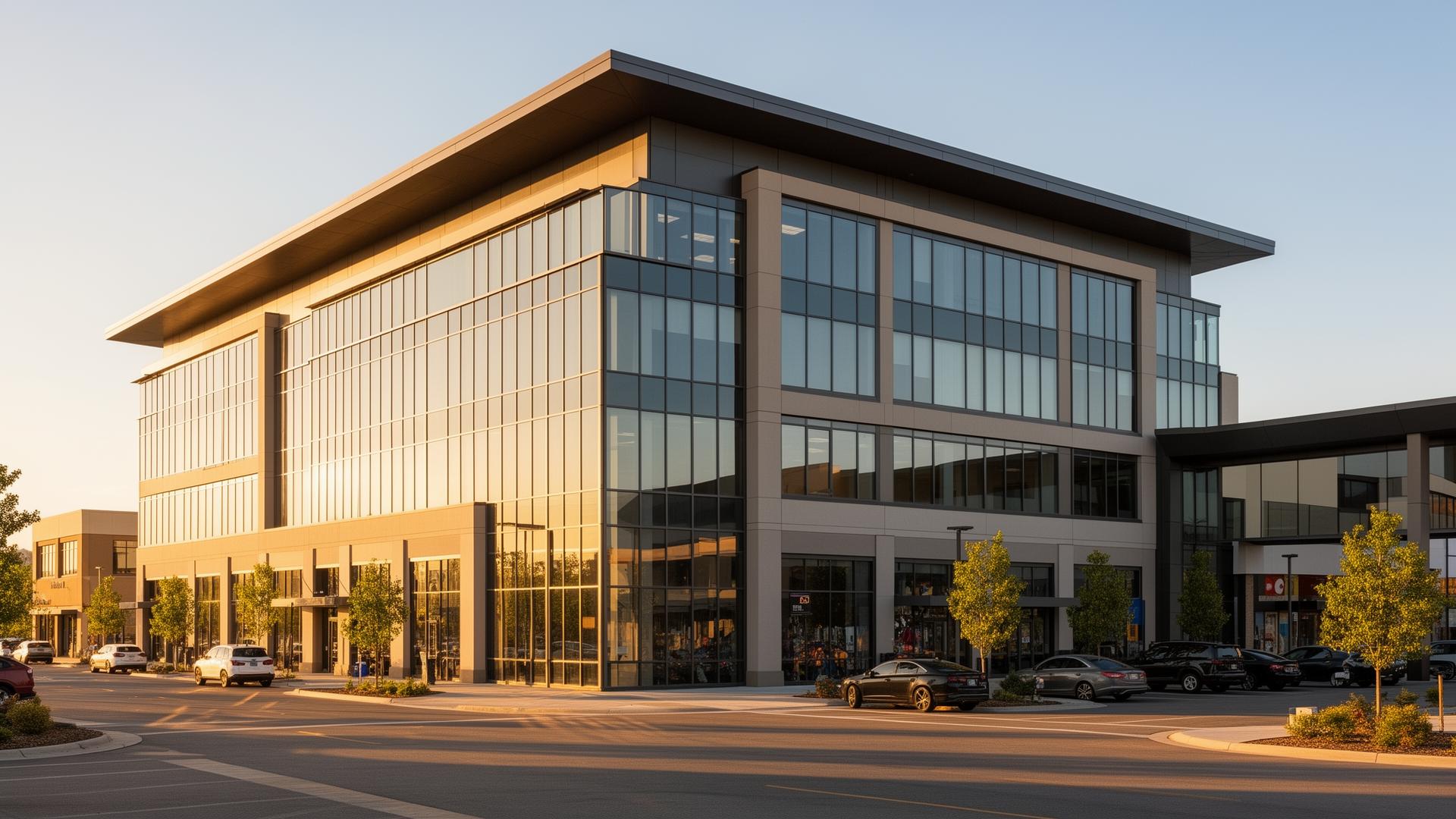
San Antonio Commercial Roofing Network
Commercial Roofing Quotes in San Antonio
FreeRoofingQuotes.com is a referral service, not a roofing contractor. We connect San Antonio building owners and property managers with independent commercial roofing companies — crews that work in TPO, EPDM, PVC, modified bitumen, and coating restorations — so you can compare written proposals on your own terms.
Commercial-Only Matching
Requests are routed toward contractors who work on commercial and low-slope buildings, not just residential re-roofs.
Low-Slope System Experience
TPO, EPDM, PVC, modified bitumen, and coating restorations — each assembly needs crews who install it regularly.
Insurance Documentation
Contractors are asked for current insurance documentation before they're considered for commercial referrals.
Free Quote Request
Submitting a request costs you nothing. Each contractor issues its own written proposal and pricing.
Commercial Roof Systems Used in San Antonio
Most San Antonio commercial buildings are low-slope, and the system on your roof shapes both the scope and the crew you need. Use the overviews below to frame your request — then let a qualified contractor confirm what's actually on the building and what it needs.
TPO (Thermoplastic Polyolefin)
A single-ply membrane commonly specified on San Antonio retail, office, and warehouse roofs. Reflective white surfaces are often chosen with South Texas heat load in mind. Seams are heat-welded, so seam quality depends heavily on crew workmanship.
Read the TPO Guide for Building OwnersEPDM (Rubber Membrane)
A synthetic rubber single-ply with a long track record on low-slope roofs. Typically installed fully adhered, mechanically attached, or ballasted, with seams bonded by tape or adhesive. Detailing at penetrations and curbs is where most EPDM problems begin.
View Flat & Commercial SystemsPVC & Modified Bitumen
PVC membranes are often considered where grease, chemical exposure, or restaurant exhaust is a factor. Modified bitumen is a multi-ply asphaltic assembly still widely used on smaller commercial buildings and re-cover work.
View Flat & Commercial SystemsCoating & Restoration
When a substrate is sound, a fluid-applied coating system can be an alternative to tear-off. Whether that's appropriate depends on moisture in the assembly, substrate condition, and what a qualified contractor finds on site.
Explore Cool Roof CoatingWhat South Texas Puts on a Commercial Roof
Heat, wind, hail, and drainage all show up differently on a large low-slope roof than on a house. These are the conditions a San Antonio commercial roofer should be accounting for in a proposal.
Heat & UV Load
Long South Texas cooling seasons drive rooftop surface temperatures up, which affects membrane aging, adhesive performance, and reflectivity decisions.
Wind Uplift
Attachment patterns, perimeter and corner enhancement, and edge metal detailing all factor into how a low-slope roof performs in storm winds.
Hail Exposure
Central and South Texas hail seasons matter for membrane thickness and cover-board decisions. Damage assessment must happen on your actual roof.
Drainage & Ponding
Internal drains, scuppers, crickets, and tapered insulation decide where water goes. Ponding is a common source of premature commercial roof failure.
Buildings We Route Commercial Requests For
The commercial side of the network spans building types, so the contractor who reaches out has worked on properties like yours.
Retail & Office
Shopping centers, strip retail, restaurants, and office buildings where tenant operations must keep running during the work.
Explore Retail & Office RoofingWarehouse & Industrial
Large-span roofs with rooftop mechanical equipment, extensive penetrations, and long logistics-driven schedules.
Explore Warehouse & Industrial RoofingMulti-Family & HOA
Apartment, condo, and townhome communities where board approval, phasing, and resident notice shape the project.
Explore Multi-Family & HOA RoofingInstitutional & Mixed-Use
Churches, schools, medical, and mixed-use buildings that often combine steep-slope and low-slope areas on one property.
Explore Institutional & Mixed-Use RoofingWhat a Commercial Roofing Proposal Should Spell Out
Commercial proposals are hard to compare when they arrive as one-line totals. Ask every contractor to put the following in writing so you're comparing the same work.
- Existing assembly documented, including deck type, number of existing layers, and insulation condition
- Tear-off versus re-cover versus restoration clearly stated, with the reasoning behind it
- Membrane type, thickness (mil), attachment method, and cover board specified by name
- Insulation R-value, tapered work, and any crickets or drainage corrections itemized
- Flashing, curb, penetration, and edge-metal details called out rather than left generic
- Manufacturer warranty type and term, plus the contractor's own workmanship warranty term
- Phasing, staging, crane or hoist needs, and how tenant or resident access is protected
- Debris handling, daily tie-in plan, and what happens if weather interrupts the work
How the Commercial Matching Process Works
- 1
Describe the building and roof
Share the building type, approximate roof square footage, the existing system if you know it, and what you're dealing with — leaks, storm damage, an aging membrane, or a planned capital replacement.
- 2
Tell us how you want to compare
Note whether you want a single proposal or several to compare side by side, plus any budget cycle or occupancy constraints we should pass along.
- 3
Hear from commercial contractors
Independent commercial roofing contractors reach out with their own written proposals. You review scope, materials, warranty, and price and decide who, if anyone, gets the job.
Contractors are evaluated for relevant commercial experience, insurance documentation, reputation, communication, and fit for the building and system requested. Texas does not issue a general statewide roofing-contractor license, so always review each contractor's current credentials, insurance coverage, written proposal, and warranty terms yourself before you sign.
Commercial Roofing Resources
Neutral guides and checklists to help you prepare before contractors reach out.
TPO Guide for Building Owners
General information on low-slope TPO assemblies and what to look for in a proposal.
Read TPO Guide for Building OwnersProperty Manager Maintenance Checklist
A recurring inspection framework for managed commercial and multi-family roofs.
Read Property Manager Maintenance ChecklistRoofing Quote Comparison Checklist
Compare scopes line by line instead of comparing bottom-line totals.
Read Roofing Quote Comparison ChecklistQuestions to Ask a Roofing Contractor
A stage-by-stage interview checklist, plus what proof to request and how to verify it.
Read Questions to Ask a Roofing ContractorRoof Repair vs. Replacement
The factors a roofer weighs when deciding whether a repair is reasonable.
Read Roof Repair vs. ReplacementSan Antonio Roofing Quotes
Our general San Antonio page, covering residential, metal, storm, and commercial requests.
Read San Antonio Roofing QuotesSan Antonio Commercial Roofing FAQ
Ready to Compare San Antonio Commercial Roofing Quotes?
Tell us about your building, its roof system, and your timeline, and independent commercial roofing contractors serving San Antonio can respond with their own written proposals. Requesting quotes is free, and you're never obligated to hire.
Get My Free Quotes NowFreeRoofingQuotes.com is a referral and lead-connection service. We are not a roofing contractor and do not perform roofing work. All work is quoted and performed by independent contractors.